If you’re looking for ways to support a child with autism, you’ve likely encountered the term “animal assisted therapy” (AAT) and wondered whether it might be worth exploring. I want to walk you through everything you need to know about this intervention, the research behind it, how it actually works, which animals are most commonly used and the important considerations you should keep in mind before getting started.
What Is Animal Assisted Therapy and How Does It Work?
Animal assisted therapy is a structured, therapeutic intervention where trained animals are integrated into treatment plans to support physical, emotional, social, and cognitive development. It’s different from simply owning a pet. In AAT, the animal works alongside a trained professional, such as an occupational therapist, psychologist, or counselor, within a planned framework aimed at achieving specific therapeutic goals.
The science behind AAT rests on something called the Biophilia Hypothesis: the idea that humans have an inherent, natural affinity for connecting with animals and nature. For children on the autism spectrum, these interactions can serve as a non-judgmental bridge to human connection. There’s something about animals that often feels less threatening or overwhelming than human social interaction, they don’t make assumptions, they’re consistent, and they accept unconditional interaction.
The way AAT works in practice usually involves:
- Structured sessions with a trained therapist and a specifically selected, trained animal
- Clear therapeutic goals tailored to your child’s individual needs
- Planned activities that might include petting the animal, grooming, leading, riding (in the case of horses) or simply being in close proximity
- Measurement of outcomes to see if the intervention is actually making a difference for your child
The Research: What Does Science Actually Show?
This is where I want to be especially honest with you. The research on AAT for autism is growing significantly, it’s doubled in size from 42 studies in 2015 to over 85 by 2020 but it’s still evolving. Here’s what recent systematic reviews and meta-analyses actually show:
Overall Findings
A major 2024 systematic review and meta-analysis published in Frontiers in Veterinary Science examined 45 studies involving 1,212 participants and found that animal-assisted activities and therapies can have meaningful positive effects on autism spectrum symptoms, particularly in these areas:
| Outcome Area | Evidence Level | What Research Shows |
|---|---|---|
| Social Engagement & Communication | Strong | Children with ASD show significantly increased social interaction when present with animals compared to toys or traditional therapy. Studies report improvements in social responsiveness, eye contact attempts, and verbal/nonverbal communication. |
| Emotional Regulation | Strong | Multiple studies document reduced anxiety and increased emotional well-being. Animals can help children self-soothe and manage overwhelming situations. |
| Behavioral Improvements | Moderate-to-Strong | Documented reductions in irritability, hyperactivity, stereotypical behaviors, and general problem behaviors. |
| Motor Skills & Physical Development | Moderate | Evidence supports improvements in gross motor development, motor proficiency, coordination, and balance (especially with equine therapy). |
| Sensory Processing | Moderate | Some studies show improvements in sensory sensitivities and sensory integration. |
| Attention & Focus | Mixed | While some studies show improvements in on-task behavior, others found no significant enhancement compared to traditional occupational therapy. |
| Long-term Sustainability | Emerging | Early evidence suggests benefits can persist after intervention ends, though more research is needed. |
The Two Most-Researched Options: Dogs and Horses
The research has primarily focused on two animals: dogs and horses. Let me break down what we know about each, because they offer different benefits.
Canine-Assisted Therapy (Dogs)
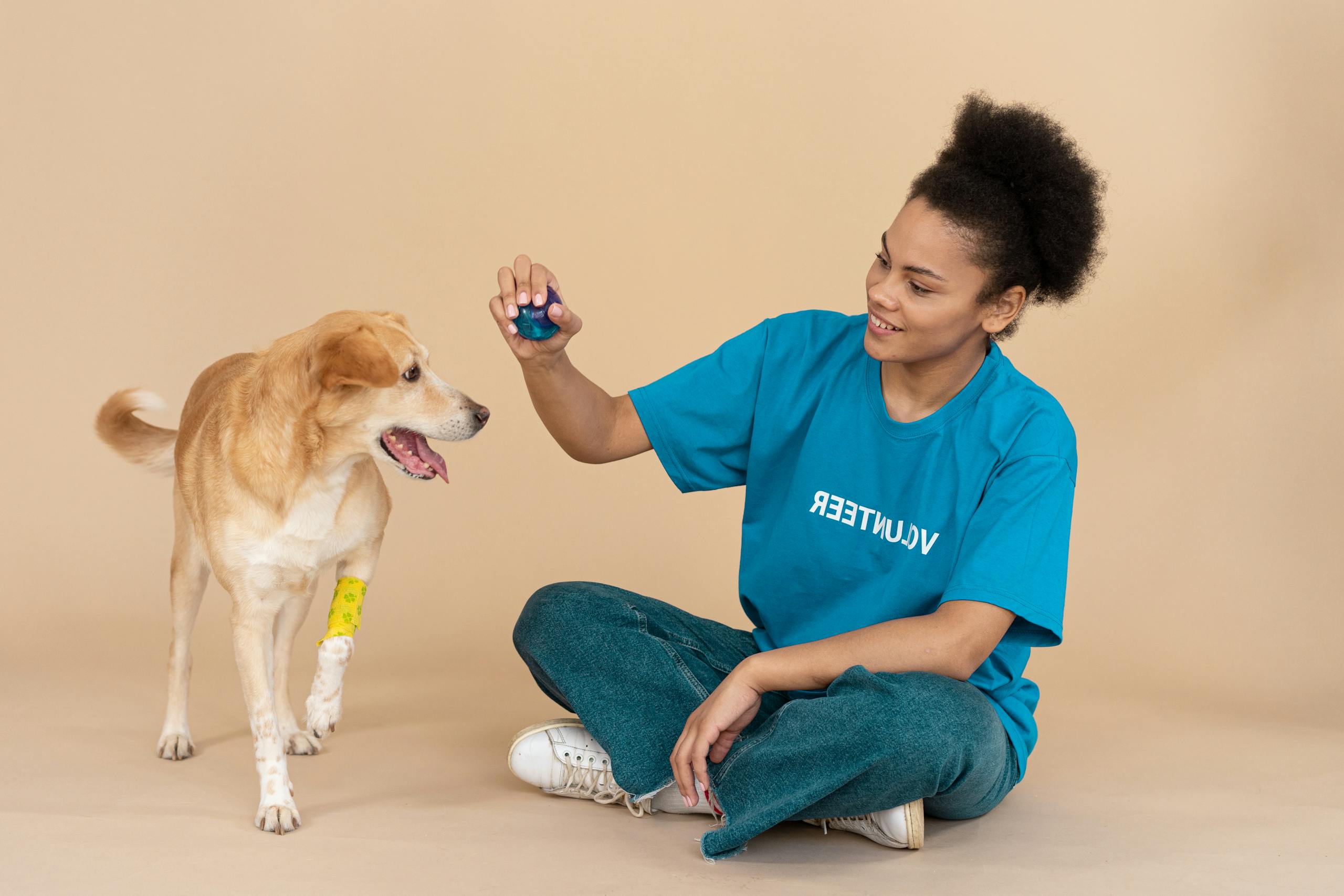
Dogs are the most commonly used animals in AAT for children with autism. Their social and affectionate nature makes them naturally therapeutic companions.
How dogs help:
- Immediate emotional comfort: Many children find a dog’s presence calming. A dog doesn’t judge, doesn’t have high social expectations, and offers unconditional acceptance.
- Social bridge: Children often feel more confident initiating interactions with other people when a dog is present. The dog becomes a conversation starter and a source of comfort during social anxiety.
- Self-soothing: Children learn to use interaction with the dog (petting, holding, leaning against) as a coping mechanism for anxiety or overwhelm.
- Responsibility and empathy: Caring for a dog, feeding, walking, grooming can all build a sense of purpose and teach empathy.
- Communication opportunities: Dogs can be prompted to respond to commands, giving children practice in clear, purposeful communication.
Key research finding: A 2025 pilot study published in PLoS One examined 2,281 interactions between autistic children and therapy dogs. The study found that autistic children engaged in significantly more positive social behaviors in the presence of dogs, with some children showing improvements in emotional regulation regardless of their verbal abilities.
Important note: Therapy dogs used in professional settings are trained by certified organizations and are distinct from emotional support animals or service dogs, which serve different functions.
Equine-Assisted Therapy (Horses)
Horses are the most researched animal in scientific studies on autism intervention, and the research is particularly compelling.
How horses help:
- Physical benefits: The rhythmic movement of a horse’s gait has a documented calming effect on the nervous system. This repetitive, predictable motion can help children regulate their bodies.
- Motor skill development: Riding requires balance, core strength, and coordination. Many children show measurable improvements in gross motor skills, body awareness, and motor planning.
- Emotional regulation: The size and power of a horse combined with the need for calm, clear communication creates a unique opportunity for children to experience control and confidence.
- Non-verbal communication: Horses respond to subtle body language and energy rather than words. This teaches children that communication isn’t only verbal, a powerful lesson for many on the spectrum.
- Routine and predictability: Horses, like many autistic children, prefer routines. This alignment can create a special connection and understanding between child and animal.
Major research finding: A landmark randomized controlled trial from the University of Colorado Anschutz Medical Campus studied 127 children ages 6-16 with autism. After 10 weeks of therapeutic horseback riding (THR), children showed:
- Significant reductions in irritability (one of the most challenging autism-related behaviors)
- Improved social communication and word fluency
- Better social skills overall
What makes this even more remarkable: a 6-month follow-up study showed these benefits persisted, the children maintained their improvements in irritability and social communication even months after the intervention ended.
Another 2023 systematic review examining 25 equine-assisted therapy studies concluded that EAAT can substantially improve social and behavioral functioning in children with ASD.
Other Animals Being Studied
While dogs and horses dominate the research, scientists are exploring other animals too:
| Animal | Research Status | Potential Benefits | Considerations |
|---|---|---|---|
| Small animals (guinea pigs, rabbits, fish) | Limited but growing | Gentle, calming, accessible for children with anxiety or sensory sensitivities | Less research than dogs/horses; may require less space and expense |
| Dolphins | Very limited (and controversial) | Some early studies suggest social engagement improvements | Expensive, not widely available, significant ethical concerns regarding animal welfare |
| Farm animals (goats, chickens, cows) | Emerging | Connection to nature, responsibility-building, sensory variety | Farm setting may be challenging for some children; less structured research |
| Cats | Minimal research | Calming, independent nature | Very limited scientific evidence for autism specifically |
My honest take: The research on dogs and horses is substantially more robust. If you’re considering AAT, these are the two options with the strongest evidence base.
How Do We Explain These Benefits? The Science Behind the Scenes
Researchers are still working to understand why AAT works, but several mechanisms seem to be at play:
Neurobiological Changes
Studies measuring stress hormones show that interaction with animals can lower cortisol levels (a key stress hormone) and increase oxytocin (sometimes called the “bonding hormone”). In a 2010 study examining service dogs with autistic children, salivary cortisol decreased significantly during dog interaction, suggesting a genuine physiological calming effect.
Social Motivation
Animals don’t have the complex social expectations humans do. A child doesn’t feel judged by a dog for stimming, avoiding eye contact, or needing space. This can make social interaction feel safe, which can gradually increase motivation for broader social engagement.
Sensory Regulation
For children with sensory processing challenges, the predictable, rhythmic qualities of horseback riding or the soft texture and warmth of a dog can provide organizing sensory input, similar in some ways to what occupational therapists try to achieve through other sensory strategies.
The Important Caveats: What the Research Hasn’t Proven
I want to be direct about the limitations, because it’s important you go into this with realistic expectations:
Methodological Challenges
Many AAT studies have limitations that make it harder to draw firm conclusions:
- Small sample sizes: Many studies involve fewer than 50 participants, making it harder to generalize findings
- Lack of control groups: Not all studies include a comparison group receiving standard therapy
- Short follow-up periods: We don’t have much data on whether benefits last beyond a few months
- Heterogeneity: The way AAT is conducted varies so much between studies (different animals, different trainers, different duration, different therapeutic goals) that it’s hard to say “this is what works”
Mixed Evidence on Some Outcomes
Attention and on-task behavior show inconsistent results. Some studies found no significant improvement in how long children could focus during AAT compared to traditional occupational therapy. This is an important distinction if focus is a primary goal for your child.
AAT Isn’t a Replacement
Every expert review emphasizes this: animal assisted therapy should be viewed as a complement to, not a replacement for, evidence-based treatments like applied behavior analysis (ABA), speech therapy, occupational therapy, or other interventions your child may be receiving.
What to Consider Before Starting
If you’re thinking AAT might be right for your child, here are the key questions to ask yourself and your care team:
1. Your Child’s Individual Profile
Does your child:
- Have experience with animals, or is this completely new?
- Have specific phobias or sensory issues with animals (some autistic children are sensitive to animal fur, smells, or unpredictable movements)?
- Have severe anxiety in unfamiliar settings, which might make initial sessions stressful?
- Show interest in or responsiveness to animals?
Research insight: Not all children benefit equally from AAT. Individual differences matter. A child who loves dogs and has visited them before will likely have a different experience than a child who’s never been around animals and has sensory sensitivities to touch.
2. Logistics and Cost
| Consideration | What to Know |
|---|---|
| Availability | Canine therapy is more widely available than equine therapy. You may need to travel. |
| Cost | Equine therapy often costs $50-150+ per session; canine therapy varies but can range $20-100+ per session. Insurance rarely covers AAT. |
| Frequency | Research suggests benefits emerge with consistent participation—typically 1-2 sessions per week, ideally for 8-12 weeks. |
| Duration | Sessions typically last 20-60 minutes depending on your child’s age and needs. |
3. Qualifications of the Provider
This matters more than you might think. Look for:
- Professional credentials: The therapist should have credentials in their primary field (occupational therapy, psychology, counseling, etc.)
- Animal training certification: The animal should be certified through a recognized organization (e.g., Delta Society, PATH Intl., International Association of Canine Professionals)
- Training in the specific intervention: Ask what training they’ve had in AAT specifically, not just general therapy
- Experience with autism: Autism is a spectrum. You want someone experienced with the specific profile of your child.
4. Animal Welfare
Here’s something often overlooked: the well-being of the animal matters. A stressed or poorly-trained animal won’t be therapeutic. When evaluating a program:
- How often is the animal used?
- What breaks does it get?
- Is it a working animal or someone’s pet also being used for therapy?
- Does the program follow guidelines for animal welfare?
- Is the animal appropriately matched to the child’s needs?
Realistic Expectations: What Success Might Look Like
Based on the research, here’s what realistic goals for AAT might include:
| Timeframe | Potential Observable Changes | Not Guaranteed |
|---|---|---|
| First 2-4 weeks | Child becomes more comfortable with the animal; increased smiling or positive affect during sessions | Immediate major behavior change |
| 4-8 weeks | Increased social engagement during sessions; possible improvements in verbal output; reduced anxiety in the therapy setting | Improvements in all areas simultaneously |
| 8-12+ weeks | More noticeable improvements in social communication, emotional regulation, reduced irritability; possible improvements in motor skills (especially with equine therapy) | Complete resolution of core autism characteristics |
| Post-intervention (3-6 months) | Some studies show benefits maintain or slightly improve | All gains persist automatically without continued support |
Cost and Insurance Realities
The hard truth: Most health insurance plans do not cover animal assisted therapy. Some exceptions:
- If it’s provided by a licensed therapist (OT, PT, counselor) within their standard practice, the therapy component might be covered, but the “animal” part typically isn’t
- Workers’ compensation or some state insurance programs occasionally cover it
- A few private insurers have specific policies, but these are rare
Your best bets for coverage:
- Ask your insurance company directly as policies vary widely
- Check if your child qualifies for state autism funding that might include AAT
- Ask the AAT provider if they accept insurance (some do partially)
- Investigate local nonprofits or grants that fund AAT for children with disabilities
Cost estimates (vary widely by location and provider):
- Canine therapy: $30-100+ per session
- Equine therapy: $50-150+ per session
- Typical programs: 8-12 weeks at 1-2 sessions per week = $240-1,800 total
Red Flags: When to Be Cautious
Before you sign up, watch for these warning signs:
| Red Flag | Why It Matters |
|---|---|
| Provider makes miraculous claims (“cures autism,” “eliminates all symptoms”) | Unrealistic promises; AAT doesn’t “cure” autism |
| No credentials or training information available | Suggests lack of professional qualifications |
| Animal appears stressed, aggressive, or is used for many hours daily | Indicates poor animal welfare; stressed animals aren’t therapeutic |
| No outcome measurement or tracking | You have no way to know if it’s working for your child |
| Extremely low cost with no clear reason | May indicate inadequate animal care or staff training |
| Pressure to commit to long-term contracts without trial period | Limits your ability to assess fit |
| Won’t let you observe or asks you not to attend sessions | Lack of transparency |
Real-World Context: What Families Report
Beyond the clinical research, family experiences add valuable perspective. Parents who’ve pursued AAT for their autistic children report:
Positive experiences:
- “My son became more verbal during and after horse sessions.”
- “We finally found something that makes him genuinely happy and engaged.”
- “It improved his confidence in his body and reduced anxiety.”
- “The routine of going to therapy became something he actually looked forward to.”
Challenging experiences:
- “The initial sensory overwhelm was harder than expected.”
- “Benefits didn’t last after we stopped sessions.”
- “The cost added up faster than we anticipated.”
- “It helped emotionally but didn’t change his core social challenges.”
- “Our child had a bad experience with the animal, and it took months to recover from.”
The takeaway: Individual responses vary enormously. What’s transformative for one child might not resonate with another.
Final Thoughts: Is AAT Right for Your Family?
The evidence supports animal assisted therapy as a complementary intervention that can help some children with autism improve in social engagement, emotional regulation, and behavioral outcomes. The benefits are real but often modest, and they work best when combined with other evidence-based treatments.
AAT makes the most sense for:
- Children who show interest in or comfort with animals
- Families who can afford the cost
- Children whose primary goals include emotional regulation, social engagement, or confidence-building
- Situations where it complements (not replaces) other therapies
- Families seeking additional support beyond standard interventions
AAT may not be the priority if:
- Your child has severe animal anxiety or phobias
- Your primary concern is core language development (evidence here is weaker)
- Your family’s resources are limited and you need to prioritize evidence-based interventions like ABA
- Your child is in crisis and needs immediate intensive support
- You