The Connection Between Autism and Hyperactivity
Many individuals with autism spectrum disorder (ASD) experience varying levels of hyperactivity. Hyperactivity can manifest as excessive movement, impulsivity or an inability to focus. Understanding this link is essential for family members and supporters, as it can influence intervention strategies and daily routines.
Research suggests that this hyperactive behavior stems from a combination of neurological, behavioral and environmental factors. Studies indicate that hyperactivity has a strong correlation to individuals with autism.
Research Insights on Hyperactivity in Autism
- Prevalence: Research shows that approximately 50-70% of children with autism may also exhibit symptoms of hyperactivity (CDC, 2023).
- Neurobiological Factors: Areas of the brain responsible for impulse control and attention, such as the prefrontal cortex, can function differently in those with autism contributing to hyperactive behaviors.
- Behavioral Outcomes: Hyperactivity can impact social interactions, learning and emotional regulation. Children may struggle with following classroom rules or participating in group activities.
- ADD & ADHD: Hyperactivity is often associated with other conditions, such as Attention-Deficit/Hyperactivity Disorder (ADHD), further complicating diagnosis and treatment.
Treatment Options for Hyperactivity in Autism
When treating hyperactivity in individuals with autism, it is vital to consider a combination of approaches tailored to the individual’s needs. Talk over plans and options with a qualified professional to find the best long term approach.
| Treatment Type | Description | Pros | Cons |
|---|---|---|---|
| Behavioral Interventions | Strategies aimed at reducing hyperactivity through structured routines and positive reinforcement. | Empowers individuals, promotes adaptive behaviors | Time-consuming, requires consistent application from caregivers |
| Medications | Options such as stimulants or non-stimulants to manage hyperactivity symptoms. | Can reduce symptoms effectively | Potential side effects, not a universal solution |
| Social Skills Training | Programs designed to improve social interactions and self-regulation. | Builds confidence and social awareness | May require group setting, depends on individual engagement in the training |
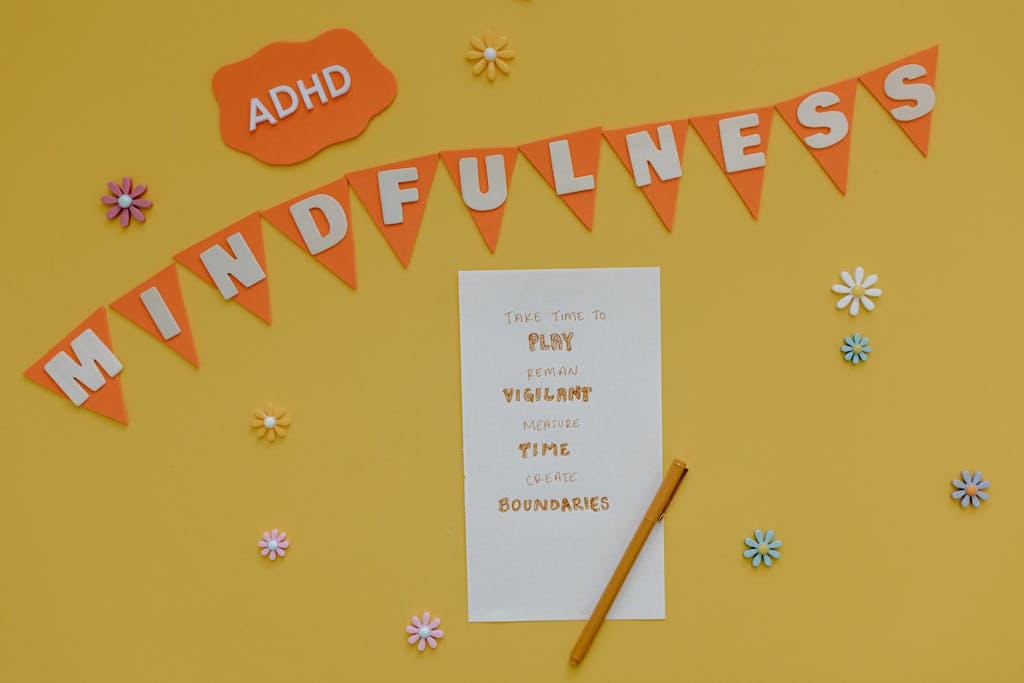
| Mindfulness and Relaxation | Techniques to promote calmness and focus (e.g., yoga, meditation). | Non-invasive, promotes overall well-being for any individual | Varies in effectiveness, can be hard to see direct results |
Tips for Managing Hyperactivity
- Routine Establishment: Consistent daily routines help individuals with autism feel secure and can reduce hyperactive behaviors. Clear expectations can minimize frustration for caregivers and individuals.
- Structured Environment: Create environments that minimize distractions and offer clear boundaries, which can enhance focus and reduce impulsivity.
- Physical Activity: Encourage regular exercise. Physical activity not only helps in channeling hyperactive energy but also promotes overall mental/physical health.
- Positive Reinforcement: Reinforcing desired behaviors with praise or rewards can help motivate individuals to manage their hyperactivity.
- Communication Techniques: Use clear, concise instructions and visual supports to aid understanding and compliance.
Considerations for Family Members
- Awareness of Triggers: Pay attention to what environments, situations or tasks may exacerbate hyperactivity.
- Collaboration with Professionals: Work closely with therapists, teachers, and healthcare providers to develop integrated support strategies that consider both autism and hyperactivity.
- Self-Care for Caregivers: Supporting someone with autism and hyperactivity can be challenging. Ensure you are also taking care of your own mental health and well-being.