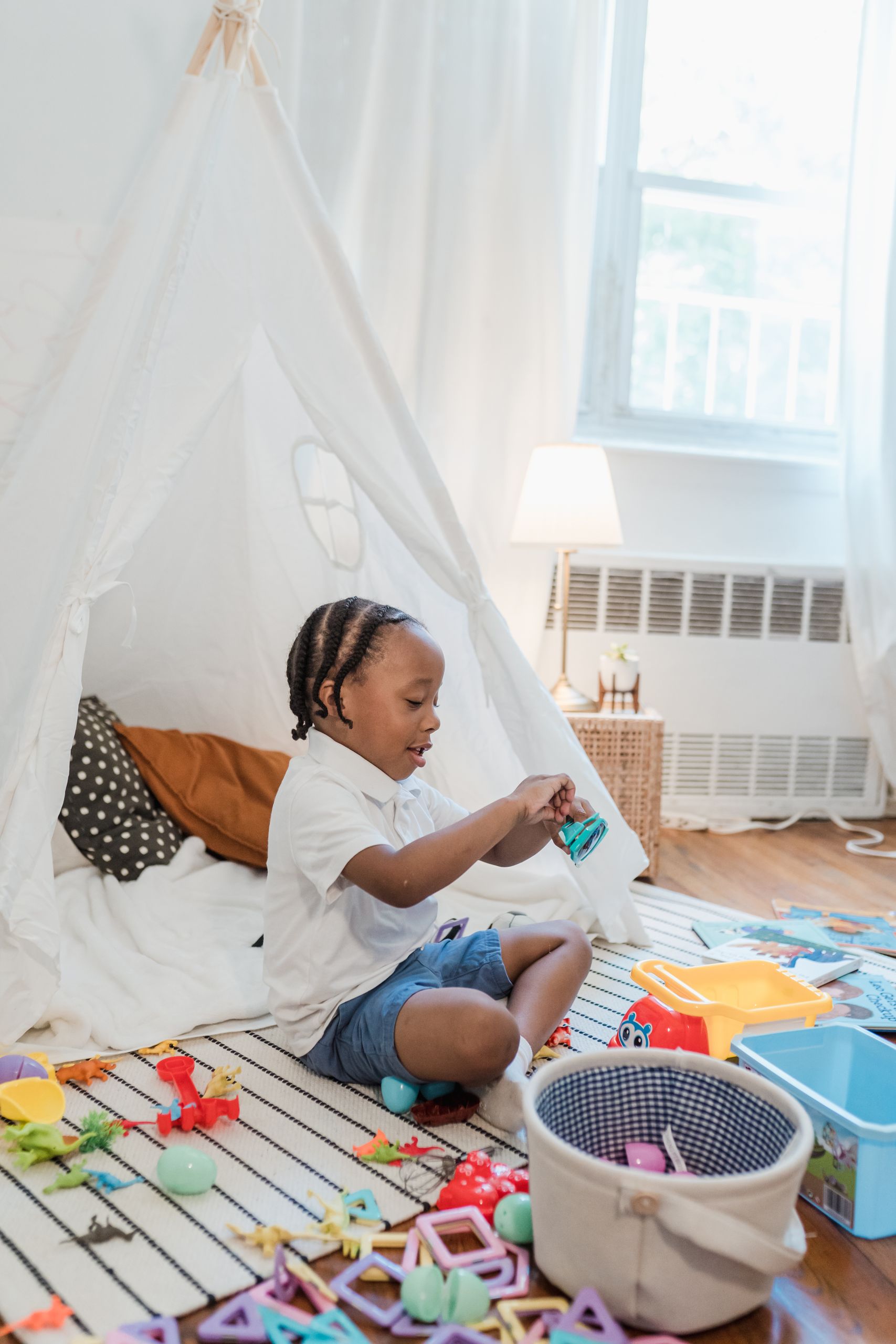
Children with autism often relax best when their environment, routines and activities match their sensory needs. The goal is usually not to “fix” behavior, but to help the child feel safe and regulated. The best calming tools are the ones that fit the child’s sensory profile: some children need deep pressure or movement, others need quiet, predictable, hands-on activities and some do best with gentle novelty and choice. Try out different activities to see how they react, some kids may want to open pokemon card packs while some want to read with noise-cancelling headphones on.
What to try-
A useful way to think about calming activities is by the type of sensory input they provide:
| Type of input | Often helpful for | Examples |
|---|---|---|
| Deep pressure / proprioceptive | Restlessness, anxiety, body seeking | Weighted blanket, pillow hugs, chair push-ups, carrying books |
| Tactile | Hand fidgeting, self-soothing | Putty, textured toys, fabric squares, kinetic sand |
| Movement / vestibular | Energy regulation, transitions | Swinging, rocking, bouncing ball, walking routine |
| Visual | Overwhelm, attention shifting | Liquid timer, glitter bottle, soft lights |
| Oral | Chewing needs, stress | Chewelry, safe chew tools, crunchy snacks |
| Auditory low-stimulation | Noise sensitivity | White noise, quiet music, headphones |
Calming toys and activities that are often worth trying
- Weighted blankets or lap pads: helpful for some children who like firm, steady pressure.
- Fidgets and putty: good for busy hands and short calming breaks.
- Liquid timers and visual toys: can help children slow down and focus.
- Chew tools: useful for children who seek oral input.
- Plush toys and soft textures: comforting for many children.
- Rocking, swinging, and bouncing: can support regulation when used safely and predictably.
- Simple sensory bins: rice, beans, or edible bins for tactile exploration.
- Predictable hobbies: puzzles, LEGO, coloring, sorting, trains, magnets, building sets, gardening, baking and repeated craft routines.
A simple rule: if the activity leaves the child more organized afterward, it’s probably a good match. If it escalates them, it may be too much input or the wrong type of input.
Hobbies that are often calming
Some children calm through repetition and mastery more than through “sensory” toys:
- Building and sorting: blocks, LEGO, stacking, matching, organizing collections
- Hands-on creation: clay, drawing, painting, stickers, collage
- Routine-based hobbies: watering plants, feeding pets, folding laundry, setting the table
- Movement hobbies: swimming, walking, martial arts, dancing, yoga
- Interest-based hobbies: maps, weather, space, trains, animals, numbers, dinosaurs
The best hobby is often the one the child returns to willingly and can do without pressure.
Animal-assisted therapy
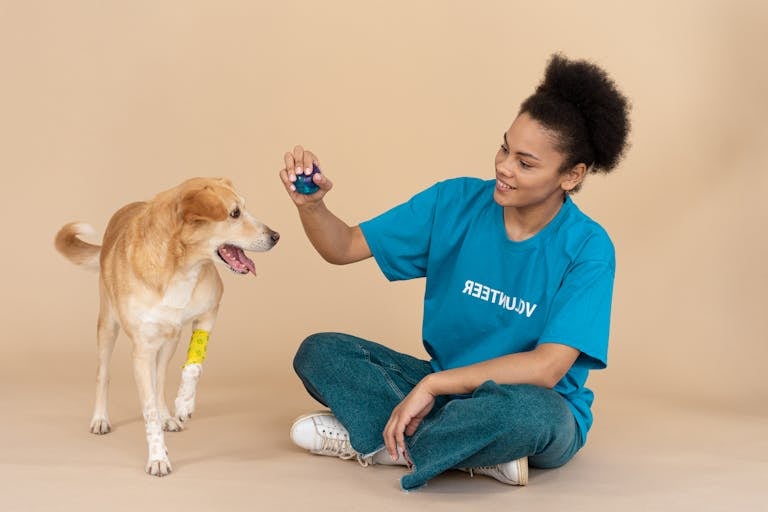
Animal-assisted interventions are often used because animals can feel motivating, calming, and nonjudgmental. Evidence suggests some children with autism engage more, communicate more, and show fewer problem behaviors when therapy animals are part of a structured program. In one review, 45 studies with 1,212 participants were included in a meta-analysis of animal-assisted activities and therapies for ASD.
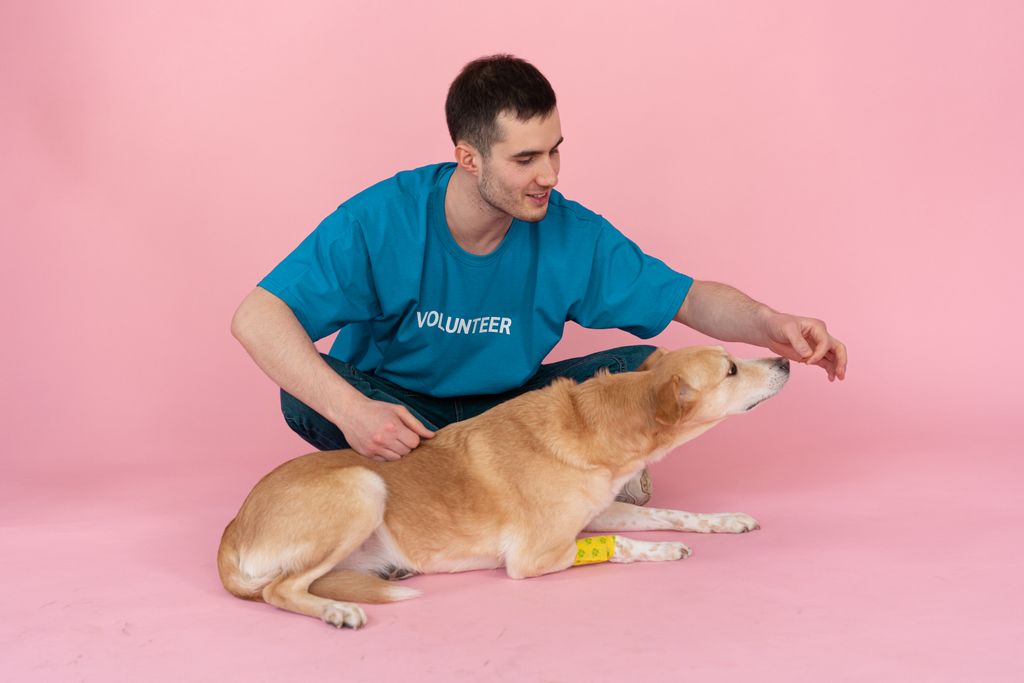
Possible benefits include:
- more social interaction
- better attention during sessions
- more opportunities for communication
- calming through petting, holding, or predictable interaction
- improved engagement in therapy tasks
Dogs are the most common therapy animals. Horses and guinea pigs are also used in some programs.
What the evidence says
The evidence is promising, but mixed. Reviews suggest:
- Canine-assisted interventions may help with social and communication outcomes, though results are not always consistent.
- Equine-assisted therapy shows some positive findings for sensory behaviors, but many outcomes remain inconsistent or unsupported.
- Overall, animal-assisted approaches may be best viewed as a support tool, not a standalone treatment.
Important considerations
Before trying any calming tool or animal-assisted program:
- match the tool to the child’s sensory profile
- start small and observe carefully
- watch for overstimulation, frustration, or unsafe chewing/squeezing
- check for choking, allergy, hygiene, and durability issues
- avoid assuming one calming tool works for every situation
- use therapy animals only in well-structured, supervised settings
- involve an occupational therapist or behavioral therapist when possible
A simple way to choose
| Child seems to need… | Try first |
|---|---|
| Pressure and safety | Weighted lap pad, hugs, blanket, body sock |
| Hand engagement | Fidget, putty, textured toy |
| Quiet focus | Timer, puzzle, coloring, sorting |
| Movement | Swinging, walking, yoga, trampoline time |
| Oral input | Chew tool, crunchy snack |
| Comfort and connection | Plush toy, pet therapy, calm shared routine |
It takes time
The best calming support for a child with autism is usually personalized, predictable and low-pressure. Sensory toys can help, but the biggest wins often come from combining the right input with a routine the child trusts. Animal-assisted therapy may offer real benefits for some children, especially for engagement and social connection, but it works best as part of a broader support plan.